
Securing a proper Myasthenia Gravis diagnosis often feels incredibly overwhelming and mentally exhausting for patients. You know your body feels fundamentally wrong, but you struggle to find immediate medical answers. Your neurologist will order several highly specialized blood tests during your very first clinical visit.
They desperately want to find the exact rogue autoantibodies causing your severe muscle weakness. Most patients receive a quick, highly clear positive result from the testing laboratory. However, some patients receive completely normal blood test results despite experiencing severe, undeniable physical symptoms. Medical professionals formally call this a seronegative diagnosis. We will explicitly explain exactly what this confusing, frustrating term means for your ongoing health journey.
Your complex immune system normally produces healthy antibodies to fight harmful external viruses and bacteria. In Myasthenia Gravis, your confused body produces dangerous, destructive autoantibodies instead.
These rogue proteins actively attack your own healthy muscle tissue without any valid biological reason. They specifically target the vital neuromuscular junction where your nerves communicate with your muscles. Doctors heavily rely on simple blood tests to detect these harmful proteins floating in your veins. They measure the exact concentration of these specific antibodies to quickly confirm the rare disease.
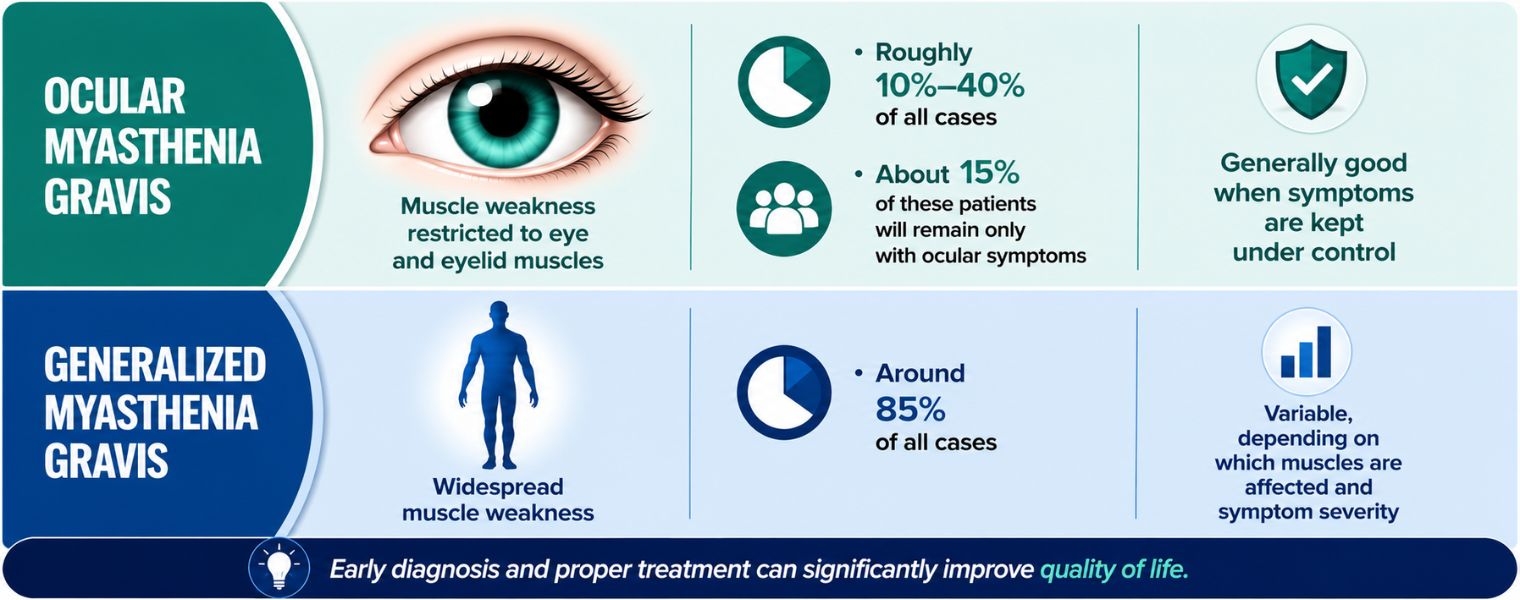
Roughly 85% of all MG patients test clearly positive for a very specific rogue antibody. They possess acetylcholine receptor (AChR) antibodies actively circulating in their bloodstream.
Doctors strictly classify these individuals as having seropositive Myasthenia Gravis. This perfectly clear blood test provides an immediate, undisputed medical diagnosis for the relieved patient. The neurologist can start formulating a comprehensive, highly effective treatment plan for you immediately. You rarely face any skepticism from insurance companies or other medical professionals with this definitive result.
Some patients test completely negative for the standard AChR antibodies during their initial laboratory screening. The diligent doctor will then order a second, much more comprehensive round of specialized blood tests.
They specifically look for different, much rarer autoantibodies in your submitted blood sample. These include Muscle-Specific Kinase (MuSK) antibodies. Patients possessing these specific destructive proteins often experience very different, highly dangerous symptom patterns. They frequently suffer from severe facial weakness, severe neck weakness, and immediate swallowing difficulties.
Medical laboratories also test for another newly discovered antibody called Lipoprotein-Related Protein 4 (LRP4). LRP4 proteins normally help build and maintain the healthy neuromuscular junction on your muscle fibers.
When autoantibodies aggressively attack LRP4, the vital communication system fails just like in AChR-positive disease. Identifying these rare MuSK or LRP4 antibodies helps neurologists tailor specific, highly effective treatment strategies. They frequently require slightly different medical interventions than standard AChR-positive patients to achieve clinical remission.
Approximately 10% to 15% of all patients test completely negative for all currently known autoantibodies. Their comprehensive blood panels show absolutely zero AChR, MuSK, or LRP4 rogue proteins.
Doctors strictly classify these specific patients as having seronegative Myasthenia Gravis. However, this frustratingly negative test absolutely does not mean you are physically healthy. You definitively still have the autoimmune disease, and your physical symptoms remain incredibly real. Your body simply produces an autoantibody that modern medical science cannot physically detect in laboratories yet.
A seronegative result makes the entire diagnostic process much harder for everyone involved in your care. The neurologist cannot simply rely on simple blood work to rapidly confirm your rare disease.
They must utilize advanced, sometimes uncomfortable neurological testing to definitively prove your muscles physically fail. They rely heavily on their deep clinical experience and intense physical observation to diagnose you properly. You might face frustrating delays while waiting for these highly specialized tests to occur.
The doctor will usually order a Repetitive Nerve Stimulation (RNS) test as the next logical diagnostic step. They attach small electrodes directly to your skin over a specific affected muscle group.
The doctor repeatedly shocks your specific nerve with small electrical impulses to force a muscle contraction. They carefully watch the connected muscle tire out rapidly on their digital monitor. A severely weakening muscle response strongly indicates a communication failure at the neuromuscular junction. This test helps confirm the disease even when your blood work shows zero detectable antibodies.
Sometimes, standard repetitive nerve stimulation testing does not show a clear, definitive communication failure. The neurologist will then perform a highly advanced Single-Fiber EMG test in their specialized clinic.
The doctor carefully inserts a microscopic needle directly into a single, isolated muscle fiber. They measure the precise, minute electrical activity of that individual fiber during physical movement. This incredibly sensitive test can detect even the absolute tiniest communication failures at the neuromuscular junction. It currently remains the ultimate gold standard for diagnosing complex, highly resistant seronegative cases.
When test results remain ambiguous, doctors rely heavily on strict clinical observation to secure a diagnosis. The doctor strictly observes how your severe weakness responds to physical rest and specific medications.
They might administer a fast-acting acetylcholinesterase inhibitor in the clinic and watch your physical response. If your severe drooping eyelids suddenly lift after receiving the medication, the diagnosis becomes highly likely. Your detailed symptom journal tracking your daily physical fatigue also provides crucial diagnostic evidence for the doctor.
Seronegative patients generally respond quite well to standard MG medical treatments prescribed by neurologists. Doctors still frequently prescribe foundational acetylcholinesterase inhibitors like pyridostigmine to manage your daily symptoms.
They also prescribe broad immunosuppressants like prednisone or azathioprine to calm your misfiring immune system. Most seronegative patients achieve excellent clinical stability using these exact same traditional medications as seropositive patients. Your daily physical management strategies remain completely identical regardless of your specific blood test results.
While the medical treatments remain similar, seronegative patients often face incredibly frustrating administrative hurdles. Insurance companies frequently delay covering expensive biologic therapies for seronegative patients without a positive blood test.
Your neurologist must fiercely advocate for your specific medical needs through complex appeal processes. They will fight the massive insurance companies to secure the advanced, life-changing treatments you desperately deserve. They use your EMG results and detailed clinical history to prove your absolute medical necessity.
You must never let a seronegative result invalidate your real physical struggle or daily pain. Many medical professionals outside of specialized neurology lack deep understanding of seronegative autoimmune diseases.
You must confidently advocate for yourself in emergency rooms and general practitioner clinics globally. Always carry detailed documentation from your personal neurologist confirming your official seronegative Myasthenia Gravis diagnosis. Educate your family and friends so they can effectively support your ongoing medical journey.
Medical researchers work tirelessly to discover the remaining unidentified autoantibodies causing seronegative disease. They analyze thousands of blood samples seeking the hidden proteins destroying the neuromuscular junction.
Every new antibody discovery makes the diagnostic process significantly easier for future generations of patients. As medical science advances, the confusing "seronegative" category will slowly shrink and eventually disappear entirely. We remain incredibly hopeful for a future featuring rapid, perfectly accurate diagnoses for every single patient.
© 2026 Myasthenia Gravis. All Rights Reserved